
WWTR Episode 1 Show Notes
Show notes for Episode 1: Back Pain and the Broken Thread of Kinesthetic Wisdom

Summary
In our modern world, we think we have it all figured out—What’s the right amount of daily steps to take? How many hours of sleep do we need? All the way down to what our spines should look like.
Through asking the 5 Why’s to find the root cause of my own back pain, I learn about its complexity from a PT, and talk to a posture guru, Esther Gokhale, about how spine shape averages have changed over time.
Esther’s early experience with back pain leads her to learn from populations with less back pain, where she realizes that they move through the world differently. Observing ancestral populations, non-industrial cultures, and babies, she comes to the conclusion that the S-shaped spine that we hear of in posture may not be ideal.
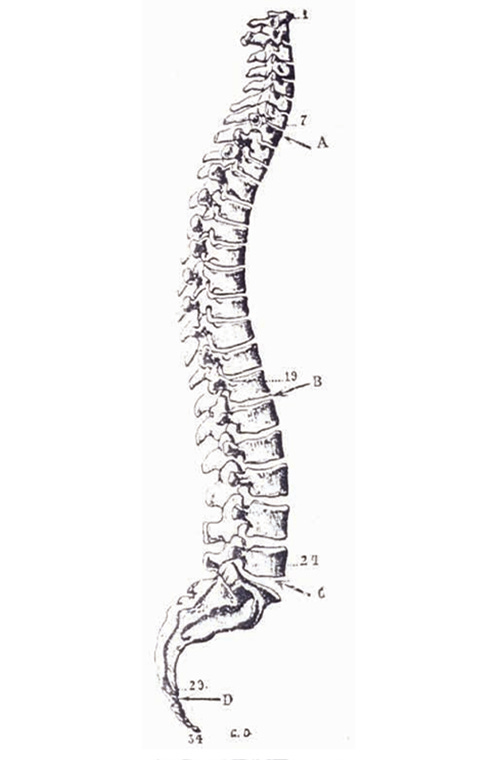
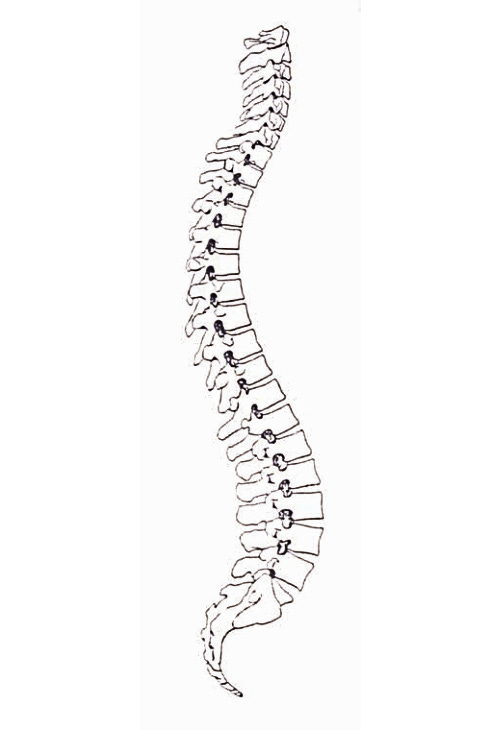
Compare the anatomical drawing of the spine in the early 20th century (above) with the one published almost a century later (below). Ever so slightly, the curves in the modern illustration below are more exaggerated.
If it looks too subtle to make any conclusions, consider that there are formulas to calculate and measure biomechanical angles of the spine.
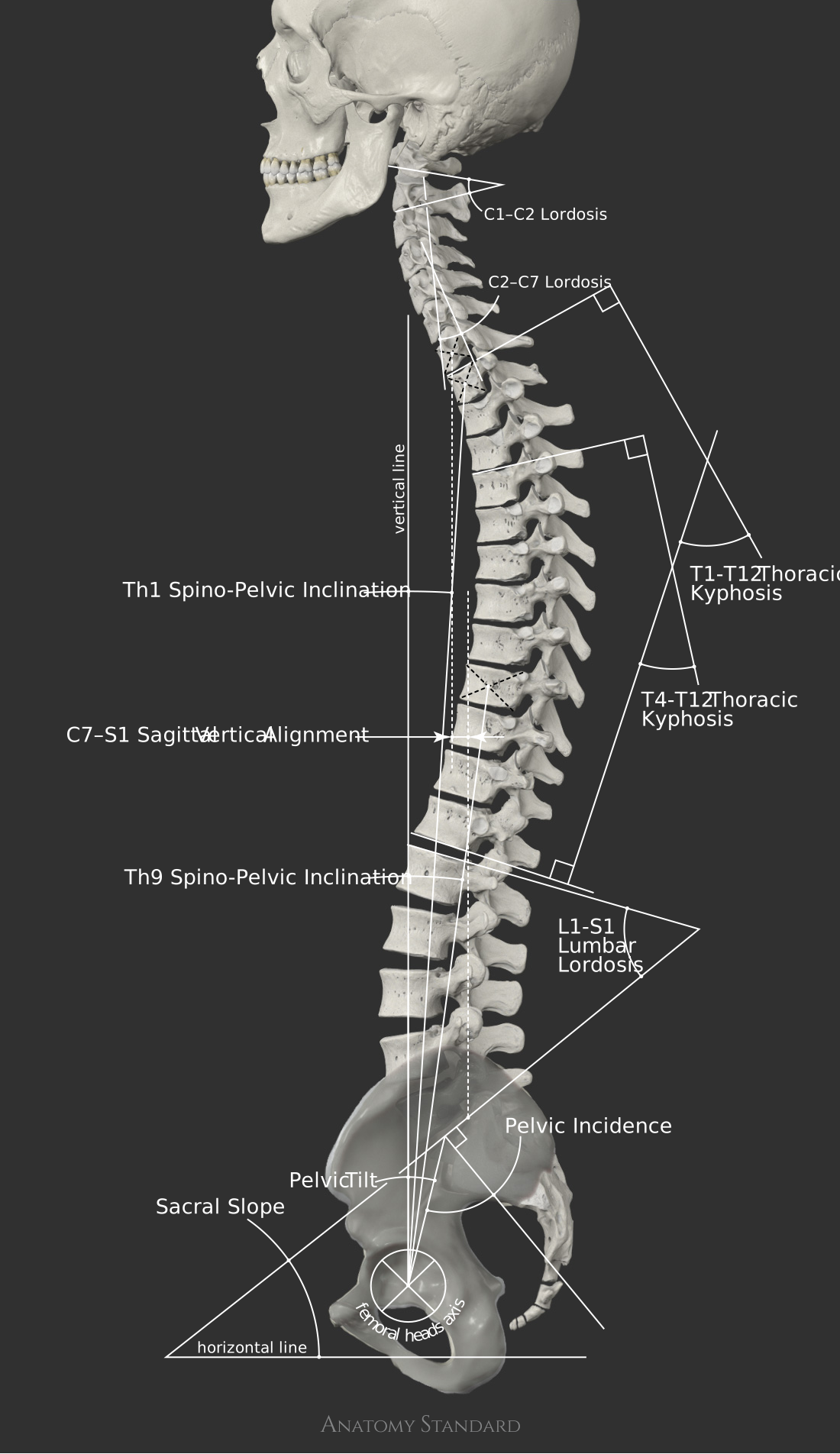
Yet, we are often encouraged to introduce excessive curvature in our bodies with lumbar cushions and cervical pillows (not to mention car seats and chair shapes), so that we can fit to the “average”. But using the average as a benchmark may be a mistake, as it seems to have changed over time to become less vertical.
Esther speculates that this change comes about from urbanization and industrialization, which removed the reliance on our bodies for work and transplanted us away from the kinesthetic wisdom passed down through generations.
The aforementioned three groups she observed all show evidence of what she calls the “J-shaped spine” (spines with less curvature). She also cites evidence from history, including antique clothing, ancient egyptian art, and more. Her workshops and book teach the Gokhale method, a return to this primal posture.
Throughout this episode, I confront differences between the “average” and the “ideal”, and how conflating the two might be leading us toward pain. In both anatomy and life, I wonder how much of the “rules” we follow may actually be improvised.
Featured Guest Information
Esther Gokhale is the “Posture Guru” of Silicon Valley, and the teacher behind the Gokhale method. She sells posture-focused products, including the book: 8 Steps to a Pain Free Back, and has workshops internationally as well as virtually.
Emily Bohannan is a physical therapist operating a dry-needling focused practice in Seattle, WA. Learn more about her clinic here, or book an appointment! She’s great.